Sustainable Investment:.
How to engage in meaningful investment conversation that prioritise sustainability.
Geopolitics and AI-led disruption have dominated the media agenda and attention has shifted towards these pressing imperatives. However, the extreme weather events seen across Europe this summer have shown that sustainability is by no means a story of the past, but a defining factor of location competitiveness and investment flows.
This course is designed to equip your team with the insight, knowledge, tools and mindsets they need to unleash Sustainable Investment (SI) Social Impact Investment (SII) and Socially Responsible Investment (SRI) and Green Investment (GI), so that your host economy becomes a top-of-mind destination for sustainable investment.
DATES FOR YOUR CALENDAR:
This eight-topic course lasts 4 days
Lessons take place Tuesday and Thursday during 2 weeks
Dates: October 20th, 22nd, 27th and 29th, 2026 at 2 pm GMT
Programme
This course is designed for investment attraction and economic development practitioners without prior finance experience. It will equip participants with an understanding of the vocabulary, value creation models, and dynamics of Sustainable Investment (SI) Social Impact Investment (SII) and Socially Responsible Investment (SRI) so that they can engage with the sector meaningfully. We will unpack the background in the quest of sustainability and impact and unpacks current discussions of two global challenges: climate-specific adaptation and resilience, as well as poverty and inequality, articulating the role that investment plays in addressing both.

Opening: Sustainability and Climate-Specific Adaptatoin
We will explore the overall course objectives and what skills and knowledge they will gain. In addition, we will cover key vocabulary so that everyone is working from a common foundation.
We will open the course with a brief overview of the context that fuels the quest of impact as well as the role of public and private sector in the sustainability discussion.

àTopic 1: Sustainability and Climate Adaptation
* Introducing the climate change discussion: brief overview about sustainability; from Paris Agreement, to COPs, SDGs to national commitments to explain both sustainable development and sustainability is a key investment factor.
* Presenting key concepts of the climate change practicality: standards, double materiality, codes and methodologies and how they are factored in feasibility studies.
* Exploring how the private sector goes about evaluating sustainable investment and the mind of the sustainability analyst.

àTopic 2: Poverty and Inequality
* Unpacking inequality and poverty cycles, why it is so difficult to eradicate, the cost it has for societies and briefly explore the Global North-South discussion.
* Discovering the links between investment (or the lack of it) with prosperty and economic growth
* Busting myths about poverty and inclusion and the opportunities for FDI

àTopic 3: How does capital flow respond to these challenges
* Understanding the differences between traditional and sustainable investing.
* Comparing and contrasting traditional (purely maximizing financial return) investing, sustainable investing and social investing to clarify where there are overlaps and where there are differences.
* Impact is a very broad term. Learners will gain an understanding of this breadth followed by a group exercise to discuss which type(s) might best align with their situations.

àTopic 4: Types of sustainable impactful investments
* Learners will be exposed to a wide variety of impact investment structures so that they will understand the key similarities and differences and when each structure might be best.
* Impact measurement, management, and reporting. Unlike financial returns which are objective and quantifiable, impact returns are not as clear. We will explain some common standards used today to measure and report on impact and how measuring organizations leads to them managing toward goals.
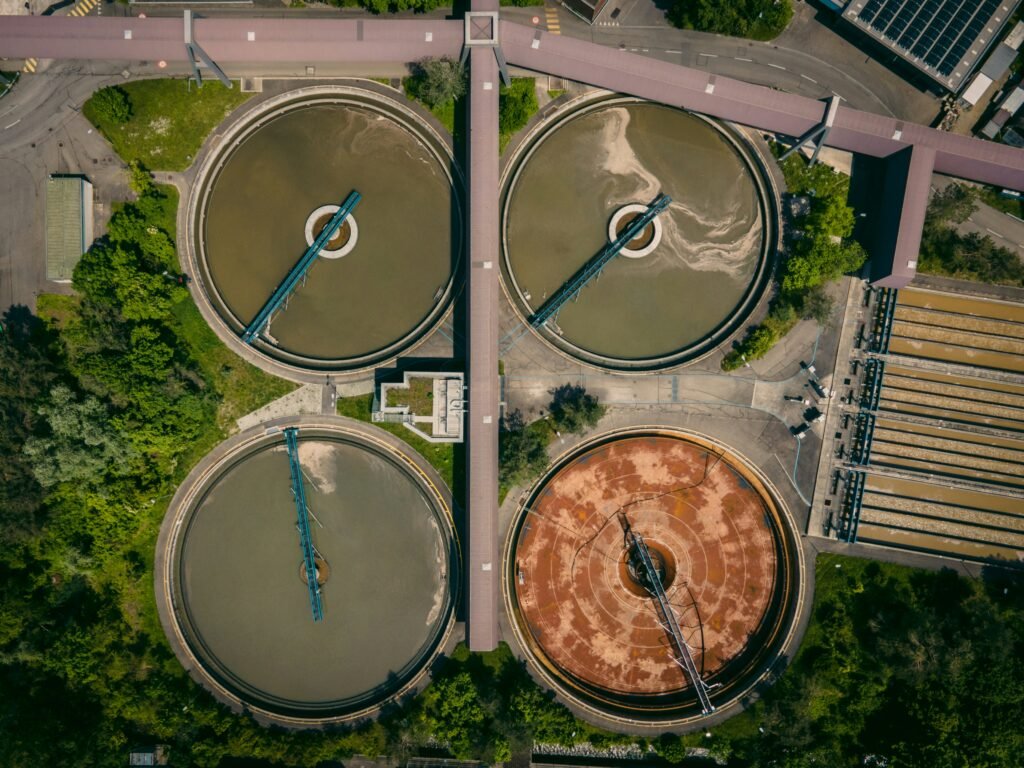
àTopic 5: How does FDI respond to these imperatives?
* Linking NDCs with FDI objectives and unpacking the role agencies can o in meeting sustainability objectives.
* Prioritising sectors and targets with clarity of how they affect sustainability.
* Rethinking FDI governance as how it could further respond to the needs of both the territory and the foreign investors.
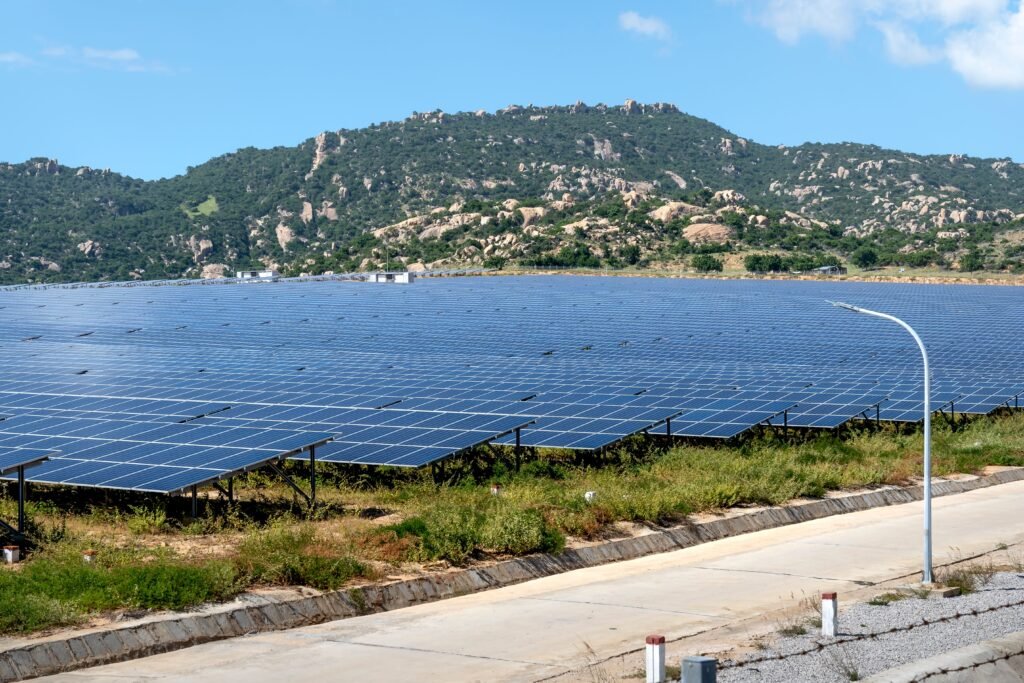
àTopic 6: How does sustainable FDI look like?
* Aligning country value offer with investor’s selection criteria.
* Greening Aftercare: what it means to drive long-term sustainable growth for the foreign company based in your host economy.
* Creating the conditions for a sustainable transformation of both business models and territories.

àTopic 7: Speaking with investors
* Speaking with capital investors can be difficult given the wide differences in their goals and interests. We will explain techniques on how to speak with investors to drive social impact regardless of whether social impact is an explicit goal of theirs. Learners will then practice some techniques to reinforce their understanding.

àTopic 8: Building a capital portfolio and an investor pipeline
* Investors and societies need to diversify across many factors to reduce risk and be successful. We will discuss different types of capital diversification to consider.
* Foreign companies have long term sustainable goals. We will discuss how to develop a key account portfolio to attract and grow investors.
Closing remarks
* Wrap up and open discussion. We will summarize the key course learnings and then have a lively discussion about the topic and address remaining questions learners may have.
Why join?
We live in a new era – one in which public and private sectors are asking themselves how to stand tall amid unprecedented global uncertainty, geopolitical disruptions and technological shift. Investors look for partners with whom they can join their corporate sustainability objectives. Developing inhouse capacity to working closely and more strategically with foreign investors around their sustainability agenda is key to lever FDI for sustainable objectives.
Benefit of attending.
By the end of the course, you will be able to:
- Be familiar the language of sustainable investment and introduce a sustainability lens to your daily practice.
- Learn how to hold a meaningful conversations with sustainability officers and corporate investment conversations that prioritise sustainability.
- Strengthen relationships with existing investors by supporting their sustainability agenda and foster collaboration across institutions that are are active in this space.
- Build the confidence and capability to turn learning into practical impact.
Who should attend?
This course is designed to help host economies to attract sustainable investment and will benefit:
–> FDI practitioners growing the investment footprint of locally established family offices and private equity firms.
–> Economic development leaders looking to include impact investment in their region’s competitiveness portfolio.
–> Local authorities exposed to new demands that climate change, poverty and uncertainty bring to their territories.
–> Client facing teams working to attract investment.
–> Private sector networks, associations, chambers, and companies looking to contribute to local growth.
–> Politicians and public sector officials specialised in country competitiveness.
–> Academics keen to learn more about the practicalities of sustainable FDI.
Trainers
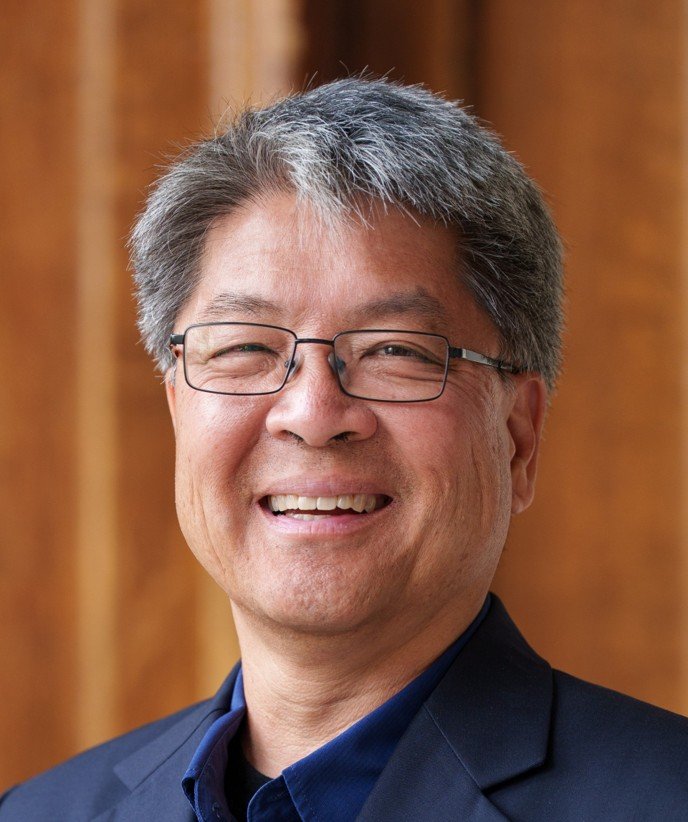
Alden Zecha
Alden is a Founding Partner at the consulting firm Xcelerate Impact He brings more than 35 years of broad-range executive expertise in operations, strategy and finance, and vast experience from work in more than 35 countries. He has launched numerous multimillion dollar, multinational initiatives and has raised more than $15m in capital for ventures. He regularly speaks on early-stage investing and entrepreneurship globally including having presented at the White House and has been quoted in the Wall St. Journal and CFO Magazine. Alden previously founded Sproxil and served as CFO and Strategist, growing it to profitable operations in 7 countries, founded and served as CFO of ultra-luxury travel company PrivatSea and CFO of Rethos, a social media site acquired by publicly traded Engagement Labs. Alden previously worked with consulting firms Monitor Group and BearingPoint, and served as international economic development specialist for the State of Hawaii. He currently serves as a Board Director for the Angel Capital Association, the trade group for American early-stage investors, and services as their Education Chair. He is also a National Association of Corporate Directors, Certified Director. He received his MSE and BSE with honors in chemical engineering from Princeton University with a thesis on computer models of HIV treatments.
Carolina Arriagada Peters
Carolina Arriagada Peters is a driving force advancing the frontiers of foreign direct investment (FDI). A prior investment attraction practitioner in London, she is a senior FDI consultant with proven track record providing strategy advice, training or analysis to over 100 investment promotion agencies and economic development organisations at national and regional level. She collaborates with international organisations such as the IABD, the World Bank, UNIDO and UNDP to unlock economic transformation.
In addition, she brings over a decade of experience working with the impact sector, mentoring changemakers, judging at global impact competition, convening communities of practice and developing transformative programmes to serve future-makers reach new hights. She also serves as a pro-bono director to philanthropic initiatives and impact projects, with particular emphasis on reforestations and regeneration, community empowerment and climate adaptation.
Guest Speakers
Vivan Kadelbach, PhD
Vivian is a German national with a global mindset who has spent her adult life living and working in multiple countries of Western Europe, the US, and for the past 18 years in Mexico. She has ample work experience in the Financial Services industry with a focus on operational excellence, strategic, and global topics. Vivian is Professor of International Management at the Universidad Anáhuac México in Mexico City and Adjunct Professor of the Doctorate in Business Administration at Sofia University in California, US. Her research focuses on international development, poverty, cultural intelligence, and transpersonal leadership.
Vivian holds a PhD in Strategic Management and Development Policies from Universidad Anáhuac México and an MBA in International Management from Thunderbird School of Global Management in Arizona, USA. She received her undergraduate degree in Business Administration and Economics with a minor in Art History from the Université de Fribourg in Switzerland.
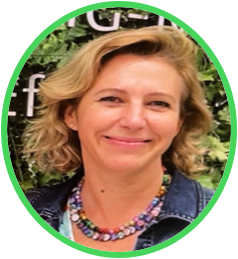
Marina Hermosilla
Marina Hermosilla is a board director and sustainability strategist with more than 30 years of experience in corporate sustainability, governance, and public policy across the public and private sectors. She advises governments, corporations, and multilateral institutions on ESG integration, sustainable finance, and long-term value creation.
During the past decade, she has been at the forefront of climate transition efforts, helping shape climate policy, advance decarbonization strategies, and strengthen organisational resilience. Her work brings together policymakers, business leaders, investors, academia, and civil society to accelerate sustainable development and systemic change.